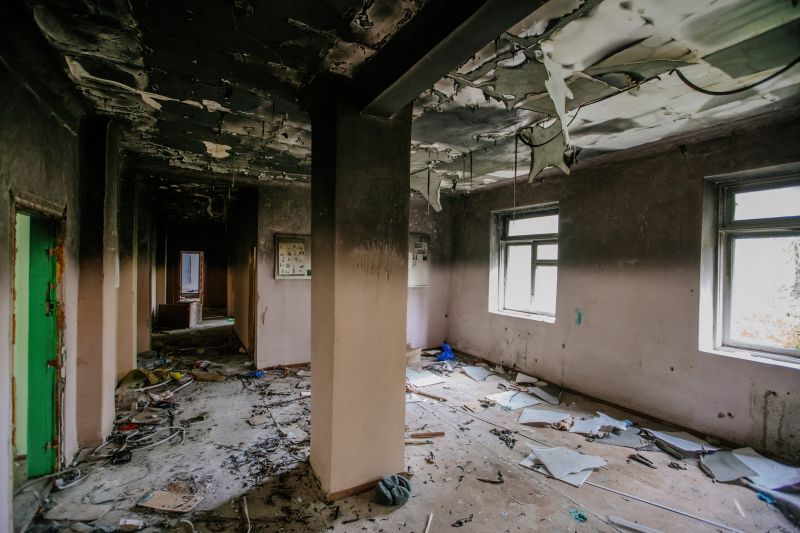
Water Damage Ceiling Repair in Denver County, CO
Water damage ceiling repair services address issues caused by leaks, flooding, or plumbing failures that result in damaged or stained ceilings. These projects typically involve removing and replacing water-affected drywall or plaster, treating mold or mildew growth, and restoring the ceiling’s appearance and structural integrity. Property owners often request this service after discovering water stains, sagging, or cracking on their ceilings, and they usually want to understand the scope of repairs needed, the potential for mold growth, and the overall restoration process before proceeding.
It is important for homeowners and property owners to consider the extent of water damage, including whether it has compromised underlying structures or insulation, and to identify the source of the water intrusion. Clear communication about the repair process, including cleanup, drying, and replacement steps, can help ensure expectations are aligned. Understanding these factors can assist property owners in making informed decisions about restoring their ceilings and preventing future water-related issues.
Many property owners in Denver County, CO look into Water Damage Ceiling Repair for repairs, replacements, upgrades, and appearance-related improvements.
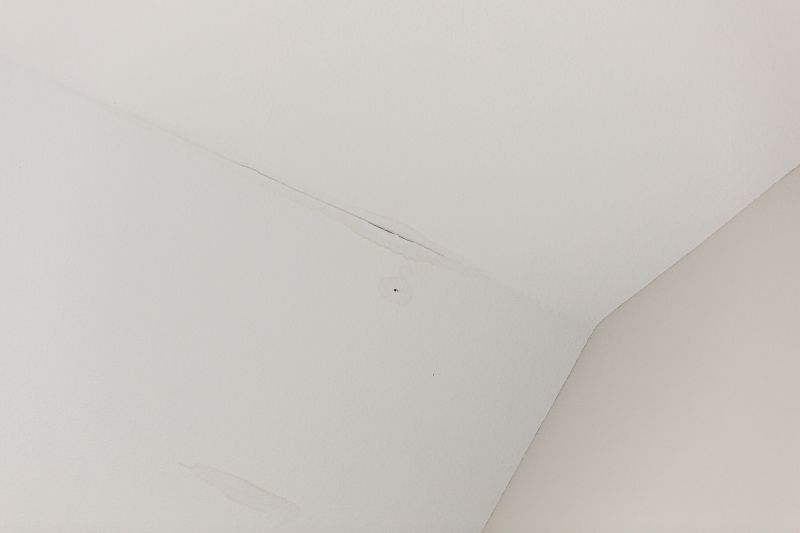
Ceiling Water Damage Signs
Visible stains, sagging, or peeling paint indicate water damage that may need repair.
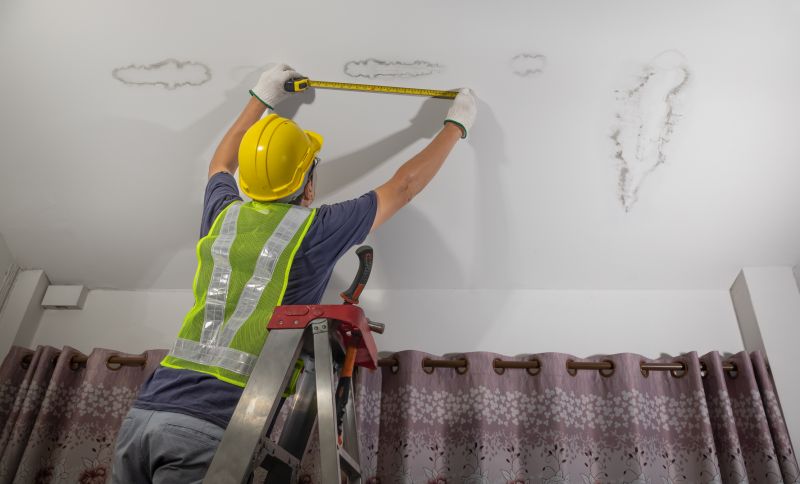
Common Causes Of Ceiling Damage
Leaks from plumbing or roof issues are typical sources of water-related ceiling problems in denver county.
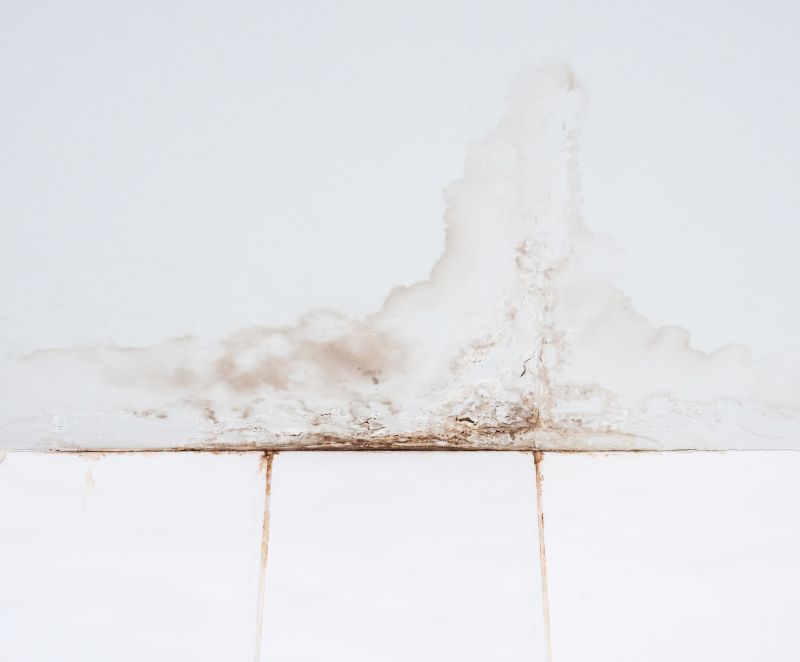
Repair And Restoration Process
Restoring water-damaged ceilings involves removing damaged material and ensuring the area is properly dried and treated.
Water Damage Ceiling Repair in Denver County, CO
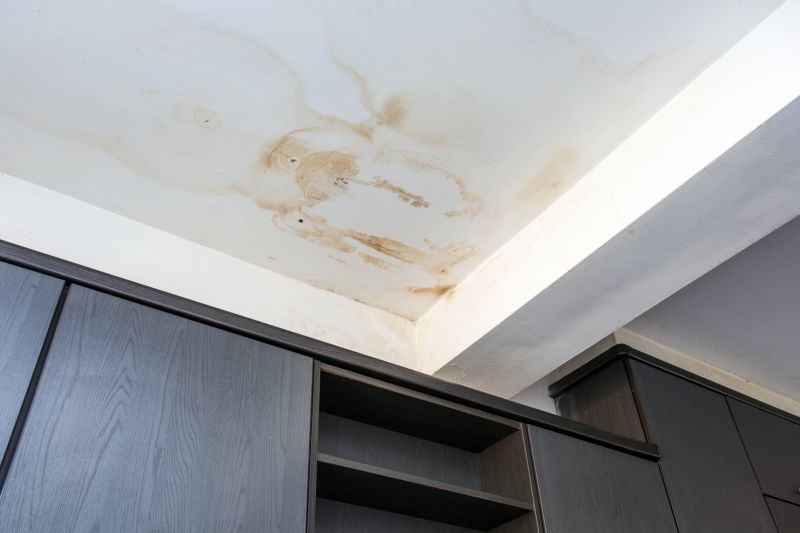
Water damage ceiling repair services address issues caused by leaks, flooding, or plumbing failures that result in damaged or stained ceilings. These projects typically involve removing and replacing water-affected drywall or plaster, treating mold or mildew growth, and restoring the ceiling’s appearance and structural integrity. Property owners often request this service after discovering water stains, sagging, or cracking on their ceilings, and they usually want to understand the scope of repairs needed, the potential for mold growth, and the overall restoration process before proceeding.
It is important for homeowners and property owners to consider the extent of water damage, including whether it has compromised underlying structures or insulation, and to identify the source of the water intrusion. Clear communication about the repair process, including cleanup, drying, and replacement steps, can help ensure expectations are aligned. Understanding these factors can assist property owners in making informed decisions about restoring their ceilings and preventing future water-related issues.
Many property owners in Denver County, CO look into Water Damage Ceiling Repair for repairs, replacements, upgrades, and appearance-related improvements.
Common Water Damage Ceiling Repair Jobs
Water damage ceiling repair involves restoring ceilings affected by leaks or flooding to prevent further deterioration.
Ceiling mold removal addresses mold growth caused by moisture from water damage to improve indoor air quality.
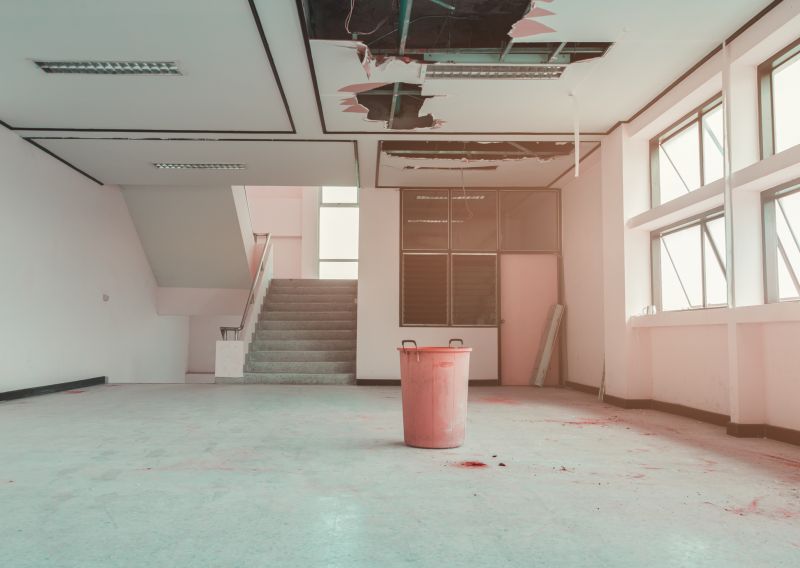
Ceiling drywall replacement involves removing and replacing water-ruined drywall to restore a smooth, safe surface.
Ceiling staining and discoloration repair helps eliminate water stains and restore the ceiling’s appearance.
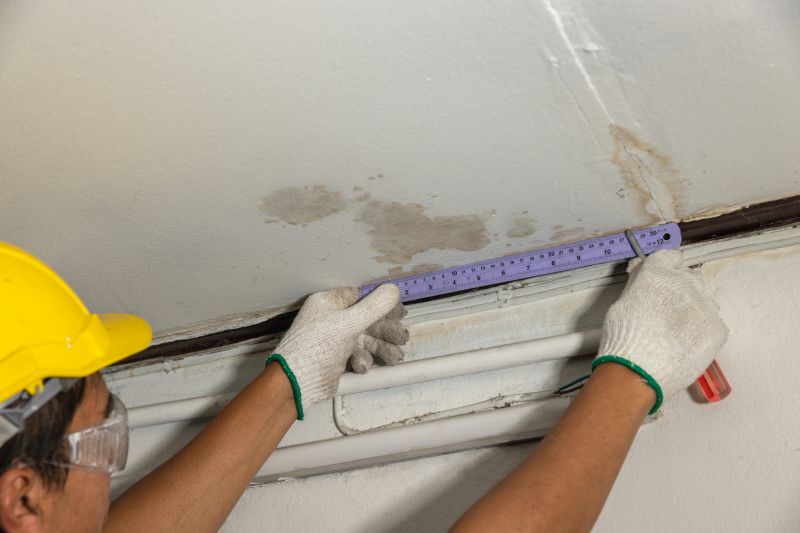
Leak source identification and repair focuses on stopping ongoing water intrusion to protect the ceiling and structure.
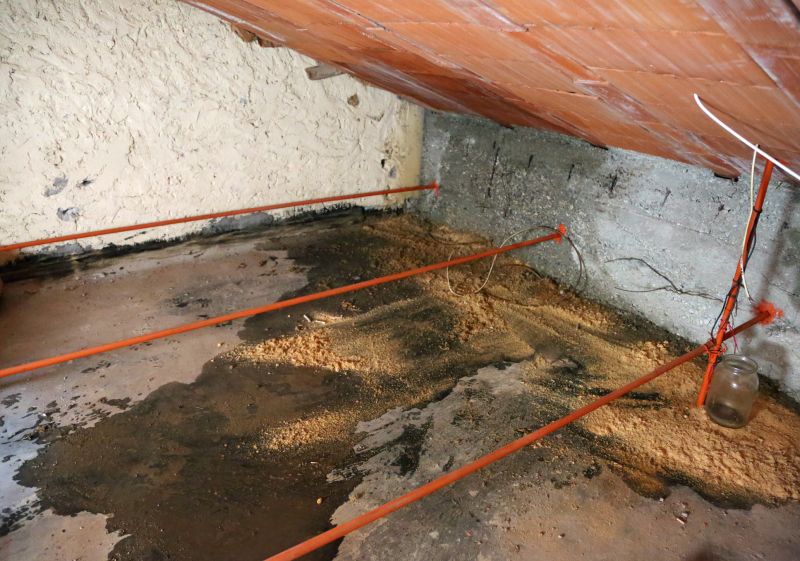
Ceiling insulation drying and replacement ensures insulation is free of moisture, maintaining energy efficiency and preventing mold.
Water Damage Ceiling Repair Questions
What causes water damage to ceilings? Water damage can result from leaks, plumbing issues, or roof problems that allow moisture to penetrate the ceiling surface.
How can water damage ceiling repairs improve my home? Repairing water-damaged ceilings restores appearance, prevents further deterioration, and helps maintain structural integrity.
What types of ceiling materials are commonly repaired? Commonly repaired materials include drywall, plaster, and acoustic ceiling tiles affected by water exposure.
Is it necessary to replace the entire ceiling after water damage? Not always; minor damage may be repaired, but extensive water intrusion might require partial or full ceiling replacement.
Request Water Damage Ceiling Repair in Denver County, CO
Use the quote form on this page to share the basics of your project and request more information for the type of work you need.